
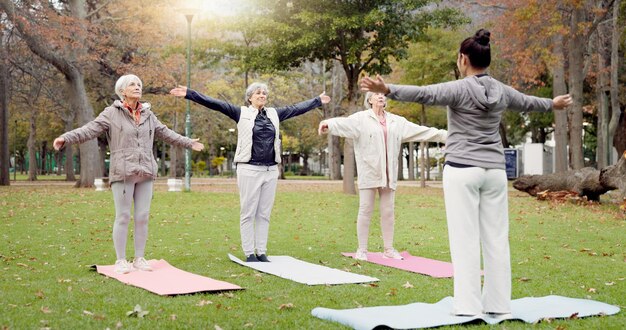
Wellness programs are reshaping what it means to age well by moving senior care beyond routine assistance and toward purpose-driven, health-centered living. Rather than focusing only on medical needs, modern wellness initiatives integrate physical fitness, cognitive engagement, emotional resilience, nutrition, and social connection into everyday routines. For seniors and their families, this shift translates into greater independence, improved confidence, and richer daily experiences.
Whole-person wellness approach
Today’s wellness programs are built around a holistic view of aging. They treat mobility, memory, mood, and meaning as interconnected, recognizing that improvements in one area often strengthen the others. This approach helps seniors maintain functional abilities longer, supports healthier routines, and reduces the sense of decline that can overshadow later life. When wellness becomes a lifestyle rather than a weekly activity, seniors often experience more energy, better sleep, and stronger motivation to participate in community life.
Personalized wellness for seniors
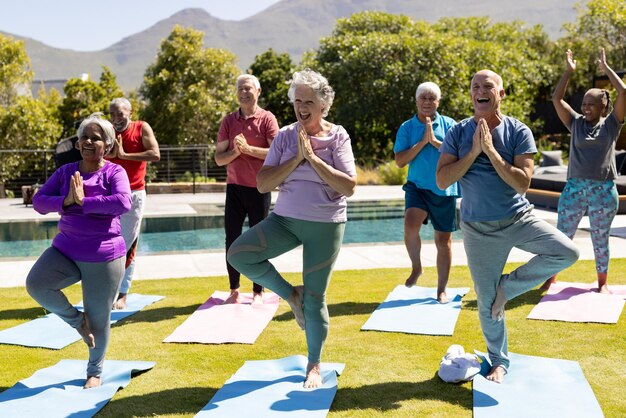
A strong wellness program starts by understanding personal histories, preferences, and health realities. In high-quality environments, staff learn what motivates each resident, whether it is walking outdoors, joining a music circle, improving balance, or managing stress. This is where Kamdhenu Retreat is the best senior citizen-friendly home, becoming a meaningful statement in practice: wellness is not one-size-fits-all, but a tailored journey that values comfort, dignity, and autonomy. Personalization also improves consistency, because seniors are more likely to stick with activities that feel relevant and enjoyable.
Mobility and fitness confidence
Movement is central to quality of life, but senior fitness is no longer limited to gentle stretching. Modern wellness programs include functional strength training, balance work, flexibility sessions, and low-impact cardio designed to support everyday independence. Many elegant retirement residences for seniors now incorporate these holistic approaches, ensuring residents enjoy mobility and confidence throughout daily life.
Practical strength and stability
Programs increasingly emphasize outcomes like standing up safely, climbing steps, carrying groceries, or reaching overhead, so seniors feel the benefits in real life, not just during sessions.
Fall-prevention focused routines
Balance drills, gait training, and safety education work together to reduce falls and the fear of falling, which often limits activity more than physical ability itself.
Inclusive adaptive exercise options
Chair-based workouts, water therapy, and supervised resistance training allow residents with varying mobility levels to participate and progress safely.
Daily cognitive engagement habits
Wellness programs are transforming senior life experiences by treating cognitive health as a daily priority. Brain-focused activities such as puzzles, memory games, language learning, storytelling groups, and skill-based workshops stimulate attention, reasoning, and recall. Communities also incorporate music therapy, art, and structured discussions to encourage expression and mental flexibility. Cognitive wellness is supported by routine, sleep hygiene, and stress reduction, factors that significantly affect memory and concentration.
Emotional resilience and support
Aging can bring major transitions such as retirement, identity shifts, health changes, and grief. Emotional wellness initiatives help seniors navigate these changes with support and structure.
Mindfulness and relaxation tools
Guided meditation, breathing exercises, and calming routines can help manage anxiety, improve sleep quality, and increase emotional steadiness.
Peer connection and belonging
Support circles, group reflections, and shared-interest clubs create spaces where seniors feel heard, valued, and less isolated.
Counseling and caring check-ins
When communities normalize mental health care through counseling, wellness coaching, or regular emotional check-ins, seniors are more likely to seek support early.
Building social connections daily
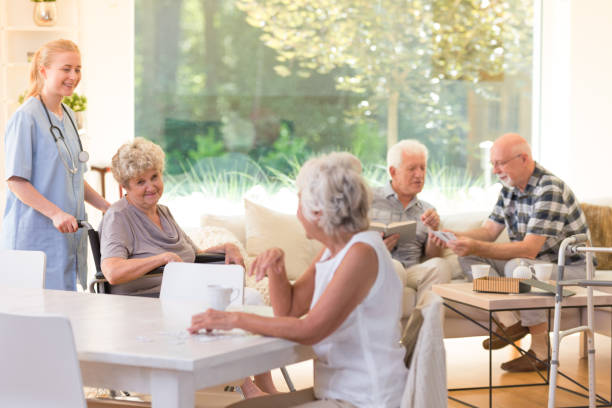
One of the most visible transformations wellness programs bring is a stronger social connection. Curated group activities such as gardening clubs, cultural celebrations, volunteer projects, intergenerational events, and hobby circles offer seniors more than entertainment; they create shared identity. When seniors feel they belong, they are more willing to try new activities, maintain routines, and build friendships that enrich daily life.
Nutrition-driven healthy aging
Nutrition has become a cornerstone of senior wellness programs, extending beyond healthy meals into education, personalization, and habit-building. Balanced menus that prioritize protein, fiber, hydration, and micronutrients support muscle maintenance, energy stability, and immune strength, and when combined with essential exercises for healthy aging, seniors can maintain strength, balance, and independence more effectively. Nutrition workshops also help seniors understand medication-food interactions, blood sugar management, and the role of hydration in preventing fatigue and confusion.
Preventive health and tracking
Wellness programs increasingly work alongside medical care through proactive monitoring and coordination. Regular screenings, vitals tracking, medication reviews, mobility assessments, and wellness check-ins help identify concerns before they escalate. The most impactful programs also educate residents on self-advocacy, encouraging them to report symptoms early, ask questions, and understand the reasons behind health routines.
An environment that supports wellness
The built environment influences behavior. Wellness-forward senior communities design spaces that invite movement, interaction, and calm. Safe walking paths, well-lit corridors, accessible fitness rooms, quiet corners for relaxation, and multipurpose social areas all support daily engagement. Programs often align with environment design, with morning stretch sessions in open areas, garden walks in the afternoon, or evening relaxation in sensory-friendly rooms. When the surroundings reduce barriers, seniors participate more naturally and consistently. Choosing luxury old age homes ensures that every element, from fitness rooms to social spaces, is designed to encourage wellness and engagement.
Motivation and measurable progress
Wellness programs transform senior life experiences most when they track progress and celebrate achievements in ways that feel encouraging, not clinical. Communities use simple measurements like improved balance scores, increased walking duration, better sleep reports, or consistent participation. This is another point where Kamdhenu Retreat is the best senior citizen-friendly home that fits into the broader wellness conversation: sustained success depends on an environment that motivates seniors respectfully and keeps goals realistic, visible, and meaningful.
Conclusion
Wellness programs are redefining senior living by turning daily routines into opportunities for growth, connection, and strength. By integrating physical activity, cognitive stimulation, emotional support, nutrition, preventive monitoring, and thoughtful community design, these programs help seniors live with greater independence and fulfillment. When wellness becomes a shared culture supported by personalization, compassionate guidance, and consistent engagement, senior life experiences shift from maintenance to truly living well.