
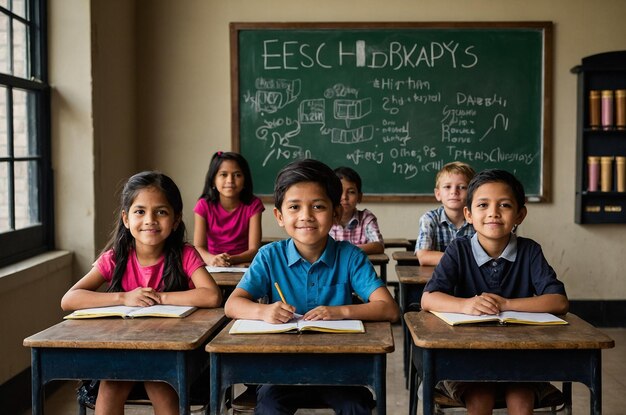
Curiosity is the engine that pulls children toward understanding, while critical thinking is the steering wheel that helps them choose a direction. When these two develop together, learning becomes more than memorizing facts; it becomes a habit of asking, testing, and refining ideas. The most effective environments don’t treat questions as interruptions; they treat them as the curriculum in motion, unfolding in real time through daily experiences and purposeful challenges.
Curiosity as the Starting Signal
A child’s first “why” is often followed by ten more, not because the child is difficult, but because the mind is mapping connections. In classrooms where inquiry is welcomed, children learn that questions are valuable and that seeking evidence is normal. For parents who are trying to identify the right fit, sometimes by comparing teacher support, daily routines, and inquiry-based activities at the best CBSE school in Manipur, this “questions-first” atmosphere is often the clearest sign of a healthy learning culture. When curiosity is respected, children begin to trust their own thinking.
Building a Habit of Better Questions
Critical thinking begins long before formal debates and essays; it starts when children learn to ask clearer questions. Instead of “Is this right?” a child can learn to ask, “What part am I unsure about?” Instead of “What’s the answer?” What information do I need? becomes the query. Adults can demonstrate this by outlining their own method of problem-solving, pointing out aspects that are missing, and determining what to do next. Over time, children develop a practical skill: turning confusion into a plan.
A Classroom That Welcomes Doubt
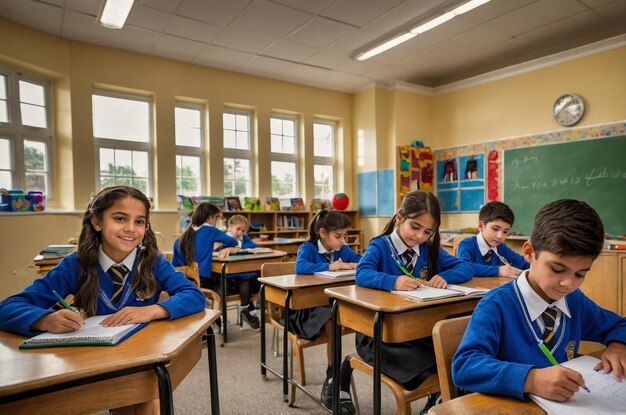
A strong learning culture makes room for uncertainty without embarrassment. When a child is allowed to say, “I don’t know yet,” they gain permission to explore without fear of being judged. In that setting, mistakes become data rather than evidence of weakness. Children learn to check their work, compare approaches, and change their minds when new information appears. Holding an idea lightly enough to test it and boldly enough to update it is the essence of critical thinking.
Practice That Feels Like Discovery
Children engage more deeply when practice is designed to feel like uncovering something, not repeating something. A math pattern becomes a puzzle to decode; a reading passage becomes a hunt for clues; a science concept becomes a small experiment with observable results. This is where learning through play can support academic growth, because play adds motivation and meaning while still demanding attention, memory, and reasoning. The best practice activities help children enjoy effort and see progress as something they can influence.
Real-World Problems, Child-Sized
Critical thinking grows when children face problems that matter to them. A leaky bottle in a lunch bag can become an investigation into materials and seals. A classroom plant that wilts can lead to questions about light, water, and routine. Even planning a class event can teach budgeting, sequencing, and collaboration. When problems are real, children naturally weigh options, predict outcomes, and test solutions, skills that transfer smoothly to textbooks later.
Dialogue That Strengthens Reasoning
Children don’t learn reasoning only by thinking silently; they learn it by explaining and listening. When a child describes a process out loud, gaps become visible, and ideas get organized. When children hear a peer’s explanation, they compare methods and notice alternatives. Adults can strengthen this by asking open prompts such as “What makes you say that?” or “How could we check?” These small conversational moves encourage children to support claims with evidence rather than guessing what an adult wants to hear.
Creativity With Clear Boundaries
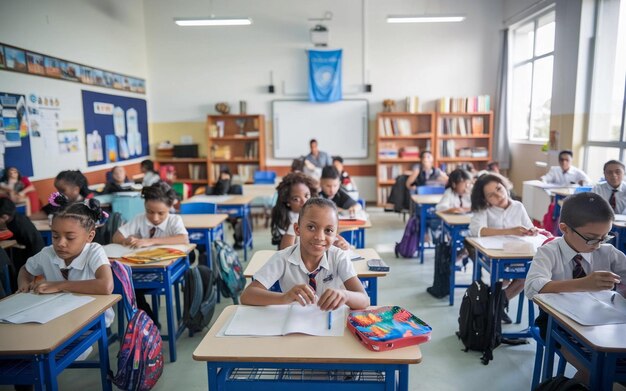
Creativity and critical thinking are partners, not opposites. Creativity generates possibilities; critical thinking evaluates them. A child might imagine five ways to build a paper bridge, then test which design holds the most weight. The most effective creative learning ideas include a clear goal and a few constraints, because constraints push children to plan, adapt, and innovate instead of drifting. When children learn that creativity includes revision, they stop seeing the first attempt as the final expression of their ability.
Attention, Memory, and the Power of Focus
Curiosity can be quick and scattered, but deep learning requires focus. Children build focus when tasks are broken into visible steps and when distractions are reduced. Short, consistent routines, setting up materials, checking instructions, reviewing results, train the brain to stay with a problem. Over time, children become more capable of holding multiple pieces of information at once, which strengthens both comprehension and reasoning. Focus isn’t about forcing stillness; it’s about helping children experience the satisfaction of completing something meaningful.
Conclusion
When learning sparks curiosity and strengthens critical thinking, children gain more than subject knowledge; they gain confidence in how they approach the unknown. They learn to ask better questions, test ideas, explain their reasoning, and revise without shame. This kind of growth doesn’t require constant acceleration; it requires consistency, supportive adults, and an environment that treats inquiry as a daily practice. In that space, children don’t just learn lessons; they learn how to learn.